




DETR and NSHE Highlight Partnership Bringing Workforce Resources Closer to College Students

On-campus EmployNV services are among the ways Nevada’s workforce and higher education systems connect students with career guidance, training resources and employers
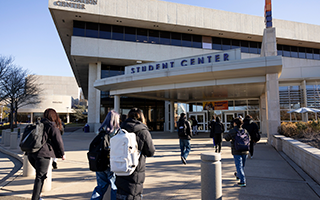
During Workforce Development Month, the Nevada Department of Employment, Training, and Rehabilitation (DETR) and the Nevada System of Higher Education (NSHE) are highlighting an ongoing partnership that connects college students with workforce resources, training, and employers across Nevada.
The work takes different forms across NSHE colleges and universities, from on-campus workforce services and career-center partnerships to training programs, employer recruitment, and specialized support for veterans. The common thread is making it easier for students to connect with workforce resources while helping employers reach people preparing for Nevada jobs.
“Students should not have to figure out the workforce system on their own,” said DETR Director Christopher Sewell. “By working with Nevada’s colleges and universities, we can connect students with career resources and employers earlier, while also helping businesses reach people who are preparing for the jobs they need.”
One of the clearest examples is the growing on-campus presence of DETR career coaches. Through EmployNV, coaches are available at five NSHE institutions, including the College of Southern Nevada (CSN), Western Nevada College (WNC), Truckee Meadows Community College (TMCC), Great Basin College (GBC), and the University of Nevada, Las Vegas (UNLV), where they connect students with career guidance, training resources, and employers.
Beyond those on-campus services, the partnership supports a range of training and career pathways across NSHE colleges and universities. Examples include:
- Career pathways and student support: At TMCC, a DETR-supported program, the Emergency Management STEP (Students Training in Emergency Professions) Grant Program helps students in public safety and health care programs explore emergency management careers through career counseling and scholarship support. TMCC’s Paramedic Internship Workforce Bridge Program also helps future paramedics manage the cost of required field internships.
- Expanded access to training: Partnerships with UNLV, Nevada State University (NSU), WNC, and CSN have expanded access to no-cost online workforce training through campus career centers, giving students another way to build skills as they prepare to enter the workforce.
- Support for high-demand careers: At TMCC and WNC, accelerated early childhood education programs help current workers build skills and bring new workers into the field by covering tuition and training costs. ROADS programs at CSN and WNC also help unemployed and underemployed Nevadans gain skills and credentials for in-demand jobs.
- Responding to regional workforce needs: DETR’s funding to the University of Nevada, Reno’s Tech Hub has assisted WNC, TMCC, and GBC to expand training tied to Northern Nevada’s growing Lithium Loop industries. At TMCC, that includes advanced manufacturing, construction management, and architecture programs aimed at increasing training capacity and supporting workforce housing needs. At GBC’s Winnemucca campus, new diesel technology and industrial maintenance programs are preparing students for high-demand industrial careers in the region.
- Apprenticeships: DETR’s G-CCAP apprenticeship funding at TMCC, CSN and GBC provides specialized training that prepares students for employment as a journeyman in apprenticeships through a combination of on-the-job training and related classroom instruction on highly skilled occupations. DETR also provided funding for up to 1,500 apprentices enrolling in the Tesla Manufacturing Development Program (MDP) program at TMCC.
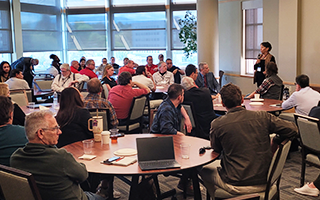
The collaboration also extends to specialized workforce services and employer connections. That includes veteran employment support through DETR outreach at the University of Nevada, Reno’s Veterans & Military Center. NSHE institutions and workforce partners also work together on career fairs, recruitment events, and other efforts that bring students and employers together.
“The connection between education and employment should be visible to students from the beginning, not something they have to figure out at the end,” NSHE Chancellor Matt McNair said. “Partnerships like this help students see where their education can take them and give Nevada employers stronger connections to the people preparing to enter the workforce.”
Workforce Development Month is observed each September to highlight the work that connects people with training and employment opportunities and helps employers meet their workforce needs.
Students, employers, and job seekers can learn more about workforce services at EmployNV.gov.
Media Availability
Representatives from DETR and NSHE are available for interviews, and we can help connect reporters with campus and workforce partners involved in the work.